Does Quality Trump Quantity - Understanding Slow Fashion
Today's fashion world is so highly accessible that consumers can buy new clothes at the tap of a button. To make things even more interesting, mass production has resulted in affordable clothing prices - and with delivery companies offering same-day services, replacing an entire closet can take just a day! But do these high speeds and low costs help or hurt society and the environment? Let's cover the gaps in current fashion practices and how slow fashion could change the landscape.
Slowing Down on Fashion Consumption - What Does it Mean
Fashion companies make billions of dollars yearly. After all, many people are leaning on overconsumption and have no qualms about throwing away their current batch of clothes to make way for what's new in the season. So, the companies produce billions of clothes (millions of tons of which end up as waste), and people get to experience a closet change almost every other day. It's a cycle that's been picking up in recent years, more so in the wake of social media and digital influencers.
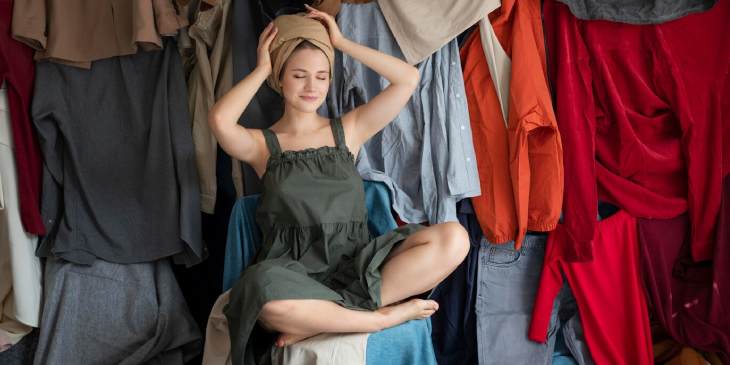
Slow fashion seeks to change these dynamics by introducing a different way of embracing fashion. Instead of reaching for the cheap and newest clothes on the market, this movement encourages consumers to try the following:
In today's world, a $10 voucher can get you an outfit from a fast fashion company. You can probably wear it a few times before noticing how much it lacks in quality - the poor choice of fabric, the fact that almost everyone else seems to have the same piece, and the somewhat bad fitting. Slow fashion takes the opposite approach and advises consumers to choose high-quality pieces tailored just for them. While the initial cost of this is high, you also get an outfit you can wear for decades without it ever going out of style.
Do you know why many people choose cheap clothes? They look at the price tags, which are often (shockingly) low. However, while an outfit may be available for a few dollars, that pricing does not consider what the manufacturer does to offer such a low price and the price the environment pays for this convenience. These practices include relying on fabric from farms that use synthetic chemicals and chemical-laden factory processing. While these help companies reduce their overheads and keep up with the increasing demand for more clothes, they also destroy the environment and hurt society.
Do you love how soft new clothes feel? Besides the choice of fabric, this soft texture can also be due to these chemicals that enhance the smooth feel. Unfortunately, while the clothing might feel cozy, wearing phthalate-laden clothes pushes you closer to hormonal disruptions that can result in a myriad of issues, especially in your reproductive health.
The fashion industry is guilty of many unethical practices. While people could go over each example to highlight these negatives, focusing on the rampant exploitation of animals and people in this sector. Take the example of workers who toil in poor working conditions and earn low wages. How about the animals used as sources of raw materials, such as leather and fur? These harmful practices take a toll on society and weaken the fabric that holds fashion fans together.
Slow fashion pushes consumers to be conscious about their decisions and how they could affect the world. In so doing, enthusiasts can all pave the way for a greener and more sustainable future without letting go of style!
Suddenly Backing Down on Overconsumption
Changing how to approach fashion is not just about protecting the environment from further damage. Instead, it helps build better communities and empower ourselves by making sustainable choices for future generations. Consider the benefits below:
- It discourages the use of synthetic chemicals on the farm and in factories. This approach reduces soil and water pollution, as well as chemical exposure, for workers and end consumers.
- It advocates for better working conditions on farms and in factories. The movement fights to abolish child labor and pushes for workers to get fair compensation and better working conditions.
- It helps conserve resources. Do people need billions of clothes each year? Slow fashion teaches consumers how to make the most of what they have, thus reducing pollution and carbon footprint.
Best of all, it teaches manufacturers and consumers to be more innovative in fashion choices.
Become Part of the Movement: How You Can Also Play Your Part
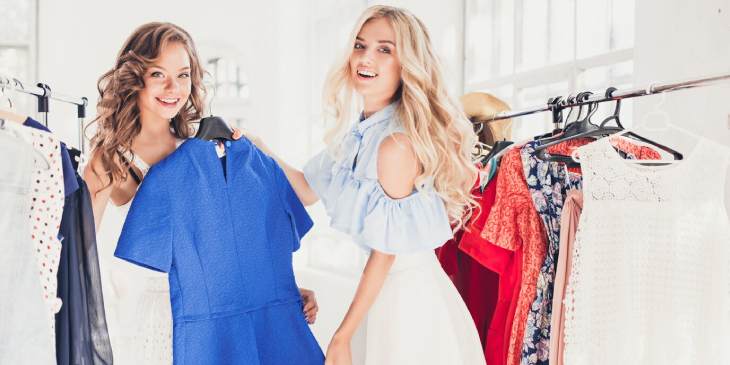
Are you eager to be more mindful of your fashion choices? While slow fashion might seem a tad complicated, it comes down to the following:
- Clean out your closet, keeping only the pieces you love and know you will wear often. Recycle or give away the rest of the items.
- Assess your purchasing decisions and buy only things you need while keeping an eye on the quality.
- Buy clothes from companies that embrace sustainable fashion. Moreover, consider buying pre-owned clothes.
It never hurts to repair or redesign your old clothes instead of buying new ones. See? It's easily doable!
Conclusion
Fast fashion negatively impacts the environment and the society. The best way to get ahead is to educate yourself on its impacts and how to avoid contributing to the problem. By making small changes to your fashion choices, you can model your positive and sustainable approach to those around you, highlighting the overall positive effects of avoiding overconsumption.


