The Appeal of Sustainable Fashion - How to Embrace Its Forms
In recent years, the fashion industry has been subject to scrutiny regarding its environmental impact. And like many other sectors, it has responded to the concerns by embracing sustainability. But what does this look like in this fast-moving world, and how can you be a part of the change?
How Are People Approaching Fashion Sustainably
While people use many terms to describe sustainability, we can simplify it as methods used to keep doing something without hurting the environment. And in the fashion industry, a change is necessary as this sector has been harming the environment (and its people) for a long time. But what does sustainability fashion mean? Let's explore five main forms that are common in today's society.
Green Fashion.
As the world has gone green, so has clothing. But what exactly does green (or eco-friendly) fashion entail? The idea is to ensure that all production phases are green and clean. Think of it this way:
- Farming - Farmers can embrace organic ways of farming and thus avoid pesticides and other chemicals that hurt the environment.
- Production - The idea here is to embrace natural fabrics and processes. Additionally, manufacturers should reduce waste while managing water and energy usage when making clothes.
The processes extend to the sale and distribution of the final products.
Cruelty-Free Fashion.
In the past (and even now in many cases), the fashion industry would exploit people and animals in pursuit of the best clothes. Now, more manufacturers and designers have looked at ways to protect people's and animal rights by making the following choices:
- People's rights - People should get compensated appropriately at all levels of production, whether they are working in the fields or processing fabric in the factory. This oversight also extends to ensuring that child labor gets abolished.
- Animal rights - Many eco-friendly organizations have pushed for the end of using animal products in clothing houses, e.g., replacing standard leather with synthetic leather.
Thanks to these measures, people can wear clothes knowing that nobody got harmed in their making.
Slow Fashion.
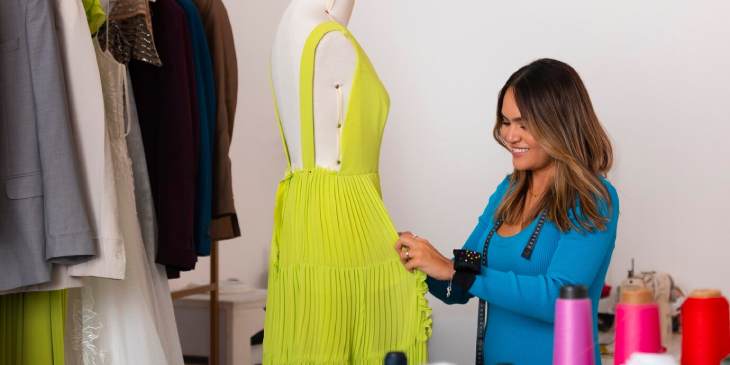
For a long time, people got used to the idea of buying clothes season in and season out, which contributed to the increased production rates in factories and the obvious wastage. The focus is now changing to slow fashion which aims at promoting the wearing of timeless pieces that do not go out of fashion as soon as the season is over. This change takes place in two ways.
For one, manufacturers have been leaning on custom-made pieces, e.g., bespoke suits, that fit a consumer's needs and wants in the best way possible. Secondly, the emphasis has also been on the creation of high-quality clothes whose designs are not just a passing fad. As a result, you can buy a single piece of clothing that you can wear for the next decade and probably hand over to someone else at some point.
Upcycled Fashion.
Have you ever considered the wastage in the fashion industry? Clothing companies make at least 100 billion clothes a year. And each year, at least 90 million tons of clothes end up as waste! This growing problem is easy to address with upcycled clothing.
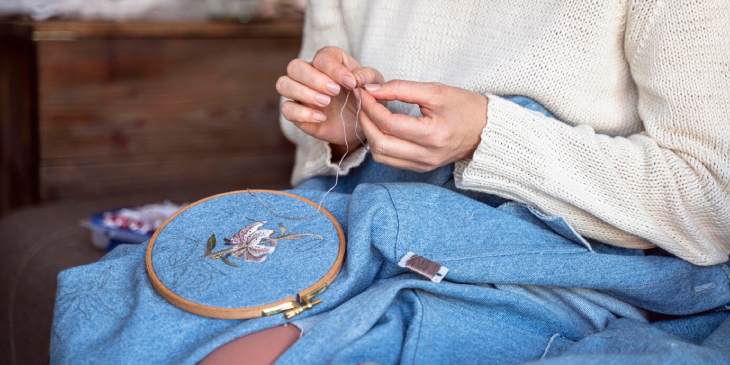
So, what does this entail? Well, it is the opposite of throwing out all the old and torn clothes you no longer want. Instead of dumping them in the trash or a landfill, you can repair them, redesign them, or use them to make new clothes. Moreover, many clothing companies now accept waste and use it to make new clothes. So far, at least 20% of the waste in landfills is making its way back to the fashion circles in a different form.
Thrifting.
In the past, wearing pre-owned clothes was not something people wanted to do. But now, times have changed and for various reasons. Let's start with the fact that these clothes are often affordable, which appeals to people who don't want to spend a lot on clothing. Add the unique pieces you can find in thrift stores and couple this with the positive environmental effect and you have a winner!
Alternatives to thrifting are as follows:
- Swapping - You can exchange clothes with other people.
- Sharing - Why not share clothes with your loved ones?
- Renting - You can rent an outfit from a rental store.
The best part of these strategies is that you still get to explore your fashion senses as you save the environment.
How Can You Join the Movement
It's as easy as making the following conscious decisions:
- Buy high-quality clothes you can wear for years without replacement.
- Invest in sustainably sourced and produced clothing, i.e., support ethical brands.
- Consider thrifting, swapping, renting, or sharing clothes.
- Think of ways to upscale your current clothes or work with a business that does.
It also helps to maintain your clothes by washing them with eco-friendly products and protecting them from the elements.
Conclusion
Fast fashion has evidently wreaked havoc on the environment. Luckily, it's not too late for us to change the way we approach fashion. By continuously making informed and eco-friendly clothing choices, we can reverse the environmental damage while still looking dapper!


